
Destination: Delhi, Agra, Jaipur, Pushkar, Udaipur, Jodhpur, Jaisalmer, Bikaner and Mandawa
Duration: 14 Nights & 15 Days
By Vacationer India Tour
The name Rajasthan literally translates to “land of Kings,” indicating that it has been under the control of numerous kingdoms and rulers. They all left their mark, which is still visible to the globe today in the form of palaces and forts. In addition to being historically significant architectural marvels, the state’s former rulers’ valor and hardships are symbolized by the imposing forts and splendid palaces. When someone visits these royal structures, they are transported back in time and given an overview of the kings’ and queens’ way of life. The ethereal works of powerful monarchs are these ancient monuments. These castles and forts have endured the test of time and still entice people with their grandeur and history. The royal state of India is crowded with visitors from all around the world who want to see these architectural wonders. Amer Fort, Jaisalmer Fort, Mehrangarh Fort, Lake Palace, City Palace of Jaipur, Umaid Bhawan Palace, City Palace of Udaipur, and other notable forts and palaces can be found throughout the state. Throughout the year, a number of art enthusiasts and historians are drawn to these forts and palaces.
Highlights
- Hawa Mahal, Jaipur: One of Rajasthan's most famous strongholds, the magnificent Hawa Mahal was built in 1798 by Maharaja Sawai Pratap Singh and is shaped like the crown of Krishna. This palace, which was built with premium red bricks and sandstone, is located in the center of Jaipur. The palace's exterior is essentially a five-row structure with 953 tiny openings called Jharokhas that take the shape of an apiary honeycomb. The morning is the ideal time to see this palace since the delicate brightness of the morning sun makes its crimson color incredibly apparent.
- Jal Mahal Palace, Jaipur: Built with Rajput and Mughal flair architecture, Jaipur's Jal Mahal Palace is regarded as a work of pure beauty. The palace is situated in the middle of the picturesque Man Sagar Lake and is a water fortification, as its name suggests. The lake and palace have undergone numerous renovations, the most recent of which was carried out in the 18th century by Maharaja Jai Singh II of Amber. During this procedure, tons of silt were scraped from the lake's bottom, drains were disoriented, and the lake itself became larger. This stunning palace is open for exploration and visits under the Fort and Palaces Tour of Rajasthan programs.
- City Palace, Jaipur: Mubrak Mahal, Chandra Mahal, Maharani Palace, Mukut Mahal, Diwan-i-Khas, Diwan-i-Aam, Bhaggi Khana, and GovingDev Temple are among the other structures that are part of the castle complex. Although a portion of the palace is used as an exhibition hall, the majority of the palace is still a royal residence. Pritam Niwas Chowk is the name of the expansive inner patio where the palace is located.
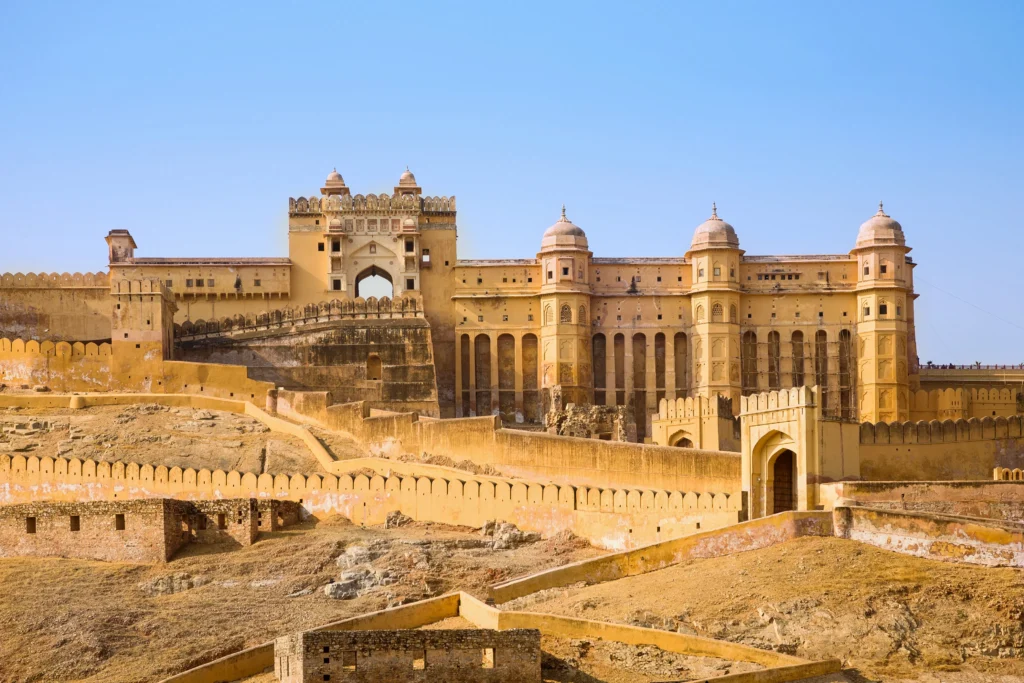
- Amber Palace, Jaipur: One of the most popular tourist destinations in the state of Rajasthan, especially for those traveling to Jaipur, is Amber Palace. This charming palace is situated in the village of Amer, which is about eleven kilometers from Jaipur, on a steep hill. During the time of Raja Man Singh I, the Kacchwaha King of Amber, this castle was built of marble and red stonework. The Amber fort, which has magnificent gates and paved walkways, guards the lovely Maota Lake.
- Bal Samand Lake Palace, Jodhpur: One of Rajasthan's most well-known fortifications is Bal Samand Lake Palace. The luxurious Bal Samand Lake Palace is located next to the BalSamand Lake. The Maharajas of Rajasthan used to spend their summers in the stronghold. The immodesty of Jodhpur is now this summer getaway.
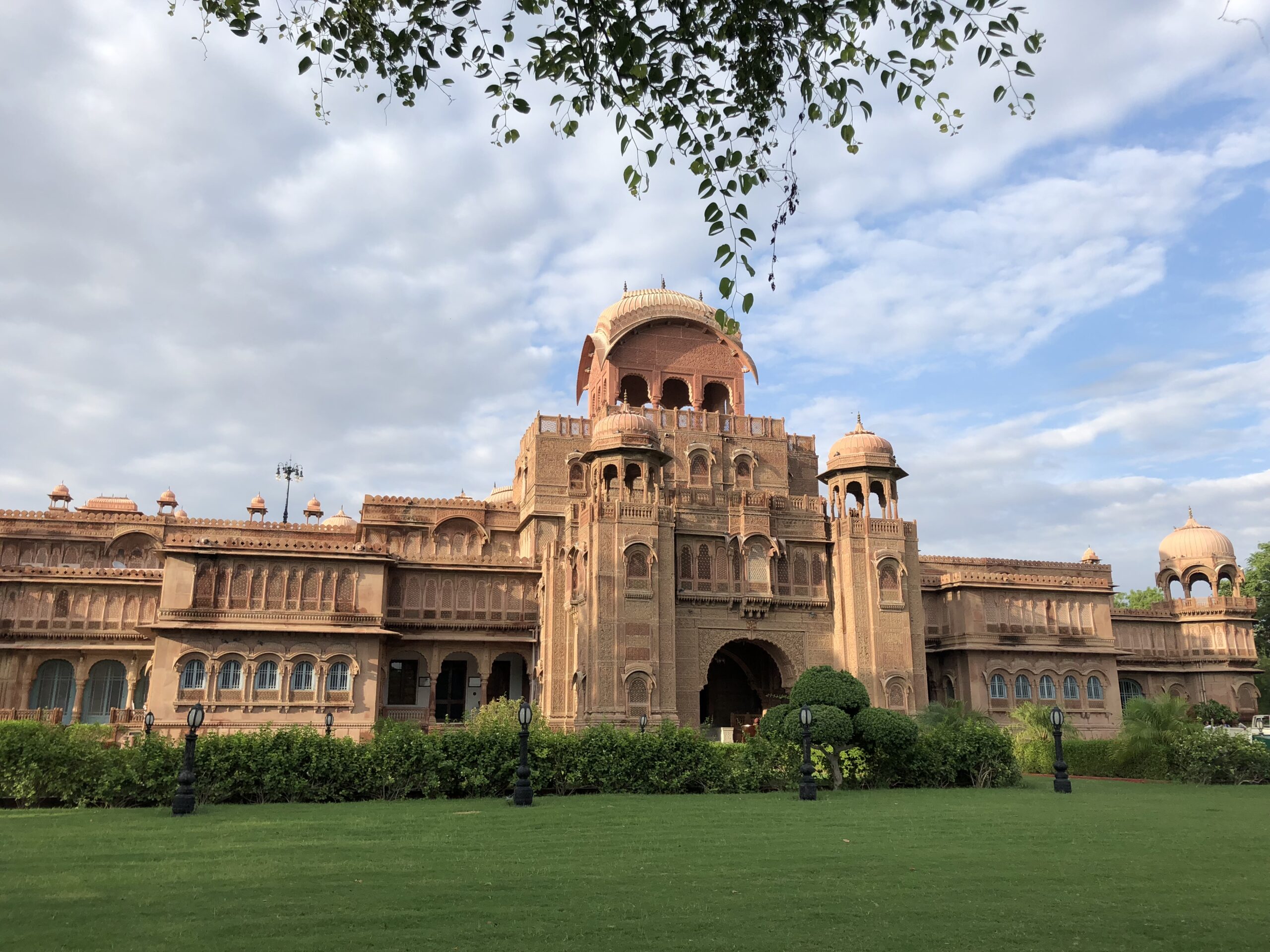
- Junagarh Palace, Bikaner: During the fifteenth century, the Junagarh Fort was built. Before being renamed the Junagarh Palace in the early 1900s, it was known as the Chintamani Fort. The city's primary tourist destination, this fortification is the pride of Bikaner. This palace is the center of the city of Bikaner. All around the nation, praise is given to the magnificent building of the Junagarh Palace.
- Nahargarh Fort, Jaipur: A stunning fort that might make you snort is situated above the luminous city of Jaipur. This charming fort was originally used as the royal family's refuge when it was constructed in 1734 by Sawai Jai Singh II, the Maharaja of Jaipur. It is regarded as one of the principal palaces and fortresses in Rajasthan. It is a magnificent example of Rajasthani architecture and offers sweeping views of the city.
- Jaisalmer Fort: Because it emerges from the desert and appears to blend in with the golden sand, the Jaisalmer Fort is also known as Sonar Quila, or Golden Fort. The fort is enshrouded in mystery and enchanted by the dying sun. Local artisans build the fort in the traditional royal style. A significant story point in one of Satyajit Ray's well-known Feluda stories and the accompanying film, Sonar Kela (The Golden Fortress), is this fort, which is a World Heritage Site.
- Mehrangarh Fort: In Jodhpur, Rajasthan, India, Mehrangarh Fort is a historic fort that was constructed by Rao Jodha in the fifteenth century. One of the biggest forts in Rajasthan, it is renowned for both its museum and its striking architecture. The Jodhpur royal family still has authority over the fort; the Archaeological Survey of India does not oversee its management.